Decision board

Track fewer markers, but choose the ones that actually move a decision.

Biomarker Decision Board is the practical layer between broad biomarker reading and protocol execution. It answers which panel to open first, which signal is more actionable, how often to repeat it and when the cost is justified.

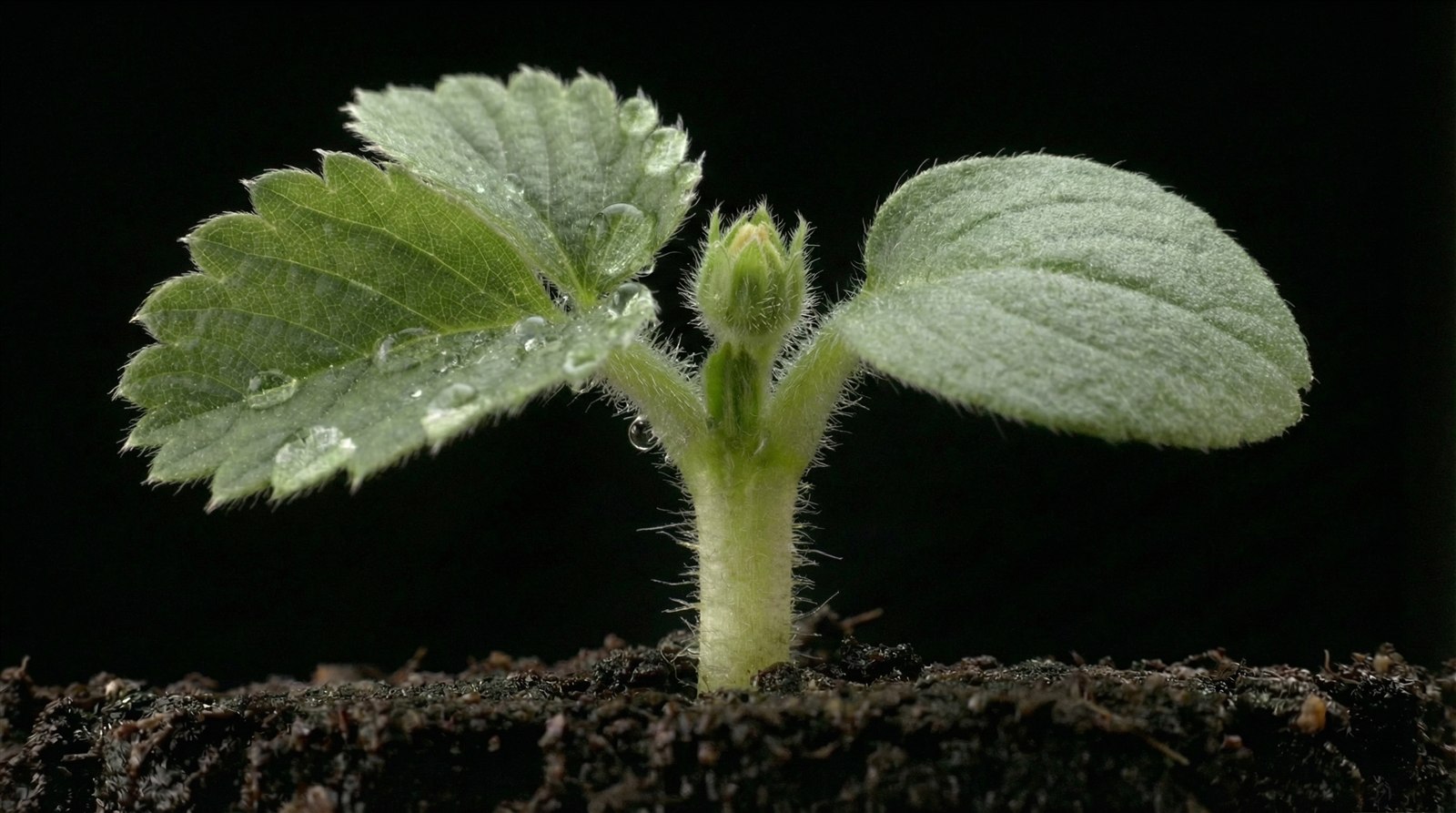
Young leaf with droplets used as a signal metaphor.

Signal first

A useful baseline beats a maximal panel with no plan.

The board reduces the first move to objective, panel depth, repeat window and actionability so the next decision stays grounded.

Fast routes

Use the board to choose the next useful panel, then drop into blood markers, the science shelf or stack analysis without widening the scope too early.

Decision first
ℹ️

Scope rule

The board uses a 2026-03 local snapshot and stays on the public decision layer. It is not a diagnosis engine. The goal is to help you choose the first panel, first repeat window and next useful question.

Decision lanes

6

Practical biomarker objectives

High-action lanes

4

Worth acting on early

Low-cost starts

2

Cheaper first passes

Medium-cost labs

5

Panels that need more selective timing

How to use the board

  1. 1

    Objective

    Start with the decision you need to make

    Do not open the widest panel first. Start from cardiometabolic risk, glycemic control, fatigue, recovery or safety.

  2. 2

    Panel

    Pick the cheapest high-action markers first

    A compact baseline usually beats an expensive maximal panel with no plan for repetition.

  3. 3

    Timing

    Repeat only after a real biological window

    Most markers need weeks, not days, before you can read intervention effects without fooling yourself.

Biomarkers overview

Return to the broader biomarker reading layer when you need a cleaner public-facing overview.

Blood panel route

Go deeper into blood markers when the next move is lipid, glucose or inflammation interpretation.

Science journal

Check the evidence shelf before widening the panel or adding new interventions.

Intervention matrix

Move into practical intervention fit once the objective and first biomarker lane are already clear.

Stack analyzer

Move into compounds, timing and interaction risk after the biomarker lane is clearer.

Cardiometabolic risk

Baseline lipid and inflammation panel

Family history, unclear LDL or ApoB, or a first serious longevity baseline.

Glycemic control and energy

Baseline glucose plus an integrated marker

Energy swings, difficult appetite control, central adiposity or uncertainty around glucose tolerance.

Inflammation and recovery

Context-aware inflammation snapshot

Poor recovery, persistent soreness, inflammatory suspicion or signs of overreaching.

Nutrient gaps and fatigue

Micronutrients and functional anemia check

Fatigue, restrictive diets, high training volume or long-term blind supplementation.

Thyroid and adaptation

Basic thyroid panel with escalation only when needed

Persistent fatigue, cold intolerance, weight shifts or unclear adaptation despite decent sleep and food.

Liver and kidney tolerance

Tolerance panel for stacks and medications

Long stacks, hepatically loaded compounds, high creatine intake or uncertainty around real tolerance.

Decision board

Panels, timing and cost in one practical read

Action before expansion
Objective First panel and markers Frequency Actionability and cost Timing and caution
Cardiometabolic risk

Family history, unclear LDL or ApoB, or a first serious longevity baseline.

Baseline lipid and inflammation panel

  • ApoB
  • Triglycerides
  • HDL-C
  • hs-CRP
  • Lp(a) once
Baseline, 8-12 weeks after a serious change, then every 6-12 months when stable
Very high Medium

Repeat when diet, bodyweight, medication or training have had time to settle.

Do not overreact to a single high hs-CRP or to a non-comparable fasting panel.

Glycemic control and energy

Energy swings, difficult appetite control, central adiposity or uncertainty around glucose tolerance.

Baseline glucose plus an integrated marker

  • Fasting glucose
  • Fasting insulin
  • HbA1c
  • TG/HDL ratio
  • Short CGM block if needed
12 weeks for HbA1c; 2-4 weeks for a CGM block
Very high Low-medium

Judge HbA1c over full biological windows; use CGM for specific weeks, not forever.

A CGM without sleep, meal and training logs creates a lot of noise chasing.

Inflammation and recovery

Poor recovery, persistent soreness, inflammatory suspicion or signs of overreaching.

Context-aware inflammation snapshot

  • hs-CRP
  • CBC
  • Ferritin with context
  • White blood cells
6-8 weeks after illness, overload or a protocol change
Medium Low

Do not test in the middle of an acute infection or right after an extreme training week unless that is the issue.

An isolated CRP without clinical or load context rarely decides much on its own.

Nutrient gaps and fatigue

Fatigue, restrictive diets, high training volume or long-term blind supplementation.

Micronutrients and functional anemia check

  • Ferritin
  • Vitamin D
  • B12
  • CBC
  • Folate when context supports it
8-12 weeks after supplementation; 2-3 times per year if stable
Mid-high Medium

Measure before expanding the stack and repeat after one stable correction window.

A normal serum marker does not always invalidate symptoms or absorption context.

Thyroid and adaptation

Persistent fatigue, cold intolerance, weight shifts or unclear adaptation despite decent sleep and food.

Basic thyroid panel with escalation only when needed

  • TSH
  • Free T4
  • Free T3
  • Antibodies only when indicated
8-12 weeks after dose or lifestyle changes; then symptom-led
Medium Medium

Do not chase week-to-week oscillations: thyroid needs sleep, calorie and load context.

Interpreting thyroid outside symptoms and energy context often leads to overfitting.

Liver and kidney tolerance

Long stacks, hepatically loaded compounds, high creatine intake or uncertainty around real tolerance.

Tolerance panel for stacks and medications

  • ALT
  • AST
  • GGT
  • Creatinine
  • eGFR
  • Cystatin C when precision matters
Baseline and 6-12 weeks after adding new load or combining compounds
High Medium

Repeat after a stable block of supplementation or training, not the day after an extreme session.

High creatinine in muscular users or high creatine intake does not automatically mean kidney damage.
Cardiometabolic risk

Baseline lipid and inflammation panel

Very high Medium

First markers

  • ApoB
  • Triglycerides
  • HDL-C
  • hs-CRP
  • Lp(a) once

Best when: Family history, unclear LDL or ApoB, or a first serious longevity baseline.

Frequency: Baseline, 8-12 weeks after a serious change, then every 6-12 months when stable

Timing note: Repeat when diet, bodyweight, medication or training have had time to settle.

Caution: Do not overreact to a single high hs-CRP or to a non-comparable fasting panel.

Glycemic control and energy

Baseline glucose plus an integrated marker

Very high Low-medium

First markers

  • Fasting glucose
  • Fasting insulin
  • HbA1c
  • TG/HDL ratio
  • Short CGM block if needed

Best when: Energy swings, difficult appetite control, central adiposity or uncertainty around glucose tolerance.

Frequency: 12 weeks for HbA1c; 2-4 weeks for a CGM block

Timing note: Judge HbA1c over full biological windows; use CGM for specific weeks, not forever.

Caution: A CGM without sleep, meal and training logs creates a lot of noise chasing.

Inflammation and recovery

Context-aware inflammation snapshot

Medium Low

First markers

  • hs-CRP
  • CBC
  • Ferritin with context
  • White blood cells

Best when: Poor recovery, persistent soreness, inflammatory suspicion or signs of overreaching.

Frequency: 6-8 weeks after illness, overload or a protocol change

Timing note: Do not test in the middle of an acute infection or right after an extreme training week unless that is the issue.

Caution: An isolated CRP without clinical or load context rarely decides much on its own.

Nutrient gaps and fatigue

Micronutrients and functional anemia check

Mid-high Medium

First markers

  • Ferritin
  • Vitamin D
  • B12
  • CBC
  • Folate when context supports it

Best when: Fatigue, restrictive diets, high training volume or long-term blind supplementation.

Frequency: 8-12 weeks after supplementation; 2-3 times per year if stable

Timing note: Measure before expanding the stack and repeat after one stable correction window.

Caution: A normal serum marker does not always invalidate symptoms or absorption context.

Thyroid and adaptation

Basic thyroid panel with escalation only when needed

Medium Medium

First markers

  • TSH
  • Free T4
  • Free T3
  • Antibodies only when indicated

Best when: Persistent fatigue, cold intolerance, weight shifts or unclear adaptation despite decent sleep and food.

Frequency: 8-12 weeks after dose or lifestyle changes; then symptom-led

Timing note: Do not chase week-to-week oscillations: thyroid needs sleep, calorie and load context.

Caution: Interpreting thyroid outside symptoms and energy context often leads to overfitting.

Liver and kidney tolerance

Tolerance panel for stacks and medications

High Medium

First markers

  • ALT
  • AST
  • GGT
  • Creatinine
  • eGFR
  • Cystatin C when precision matters

Best when: Long stacks, hepatically loaded compounds, high creatine intake or uncertainty around real tolerance.

Frequency: Baseline and 6-12 weeks after adding new load or combining compounds

Timing note: Repeat after a stable block of supplementation or training, not the day after an extreme session.

Caution: High creatinine in muscular users or high creatine intake does not automatically mean kidney damage.